
When it comes to luxury and elegance in bathroom design, the classic beauty of a natural stone bathtub really cannot be matched. These stone baths, which mix natural materials with extraordinary workmanship, have come to represent refinement. Offering both aesthetic appeal and practical advantages, a natural stone bathtub can be a dramatic focal point in any bathroom. Natural stone bathtubs are discussed in this post together with the several materials used, their benefits and drawbacks, how they differ from other bathtub materials like ceramic and artificial stone, and what elements affect the price of stone bathtubs.
What Is a Natural Stone Bathtub?
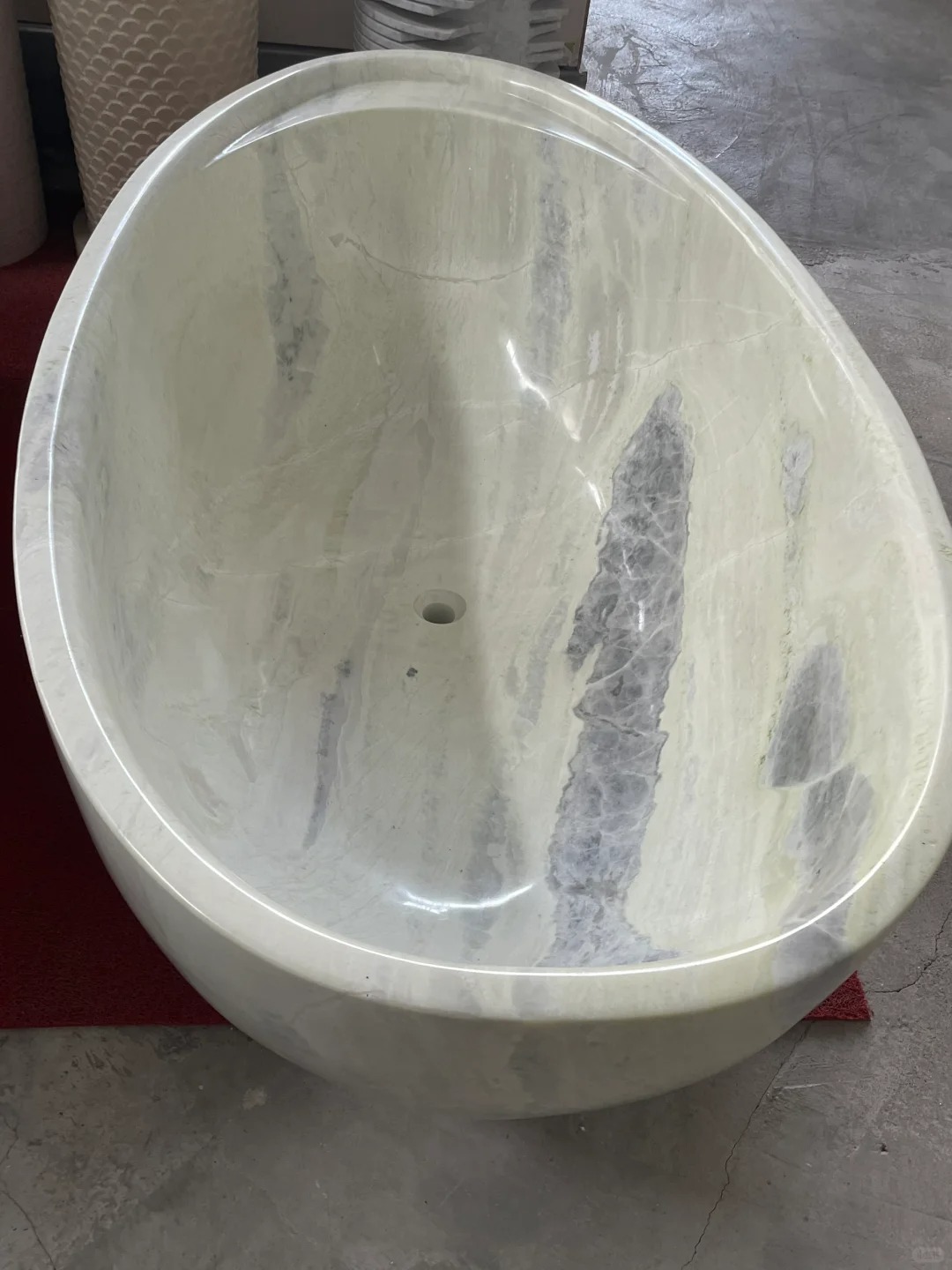
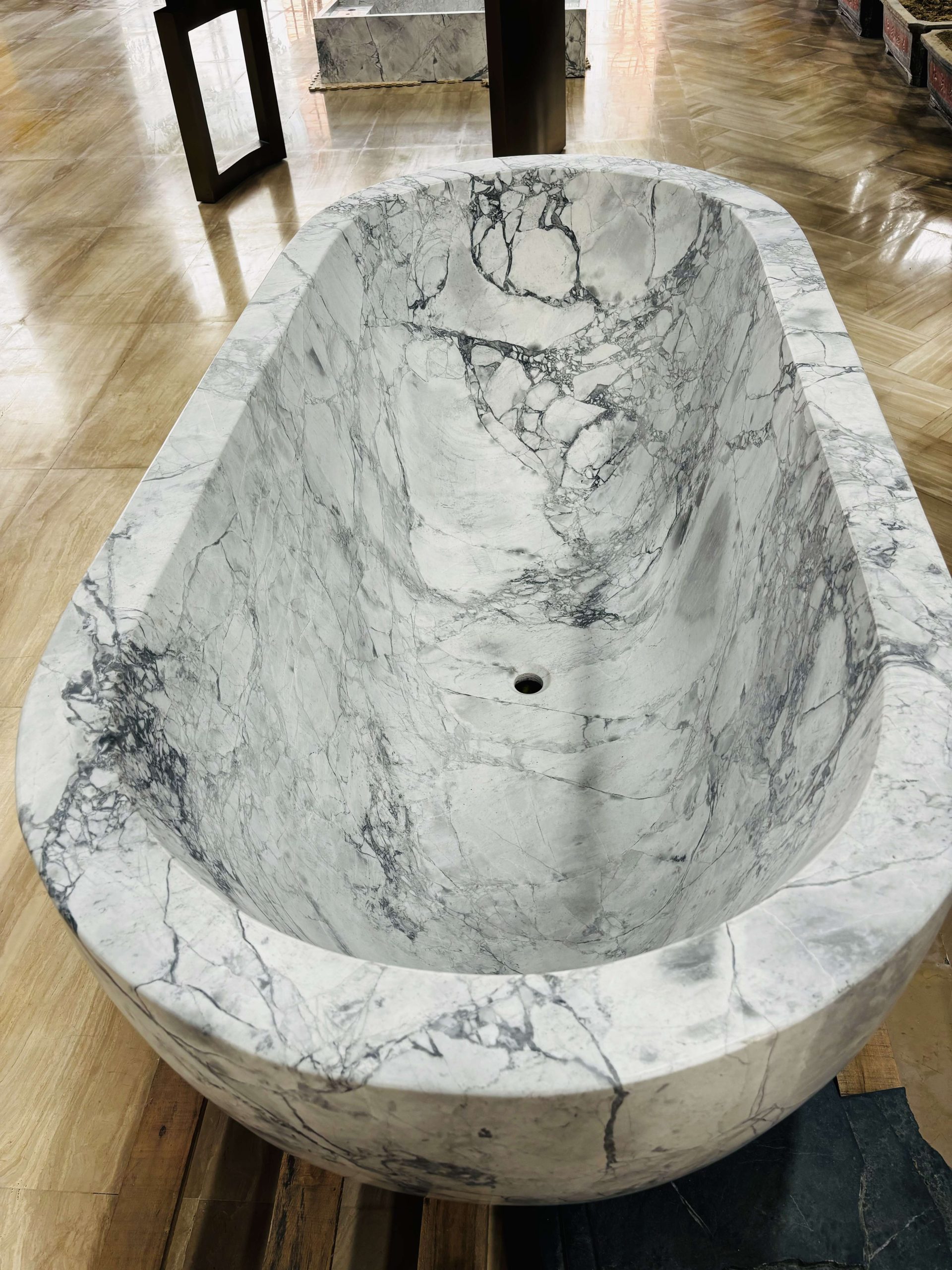
A natural stone bathtub is a bathtub fashioned or carved out of a complete block of stone. Stone bathtubs are generally handcrafted by talented artists working with the unique qualities of every stone, unlike synthetic materials or mass-produced moulds. Whether the material is marble, granite, travertine, or sandstone, this painstaking technique produces a one-of-a-kind work reflecting its inherent beauty.
Natural stone tub are prized for their tactile warmth, luxury look, and strength. Often heavier and thicker than other kinds of bathtubs, they not only contribute to their sense of permanency but also improve heat retention, therefore prolonging the soak and increasing its relaxation value.
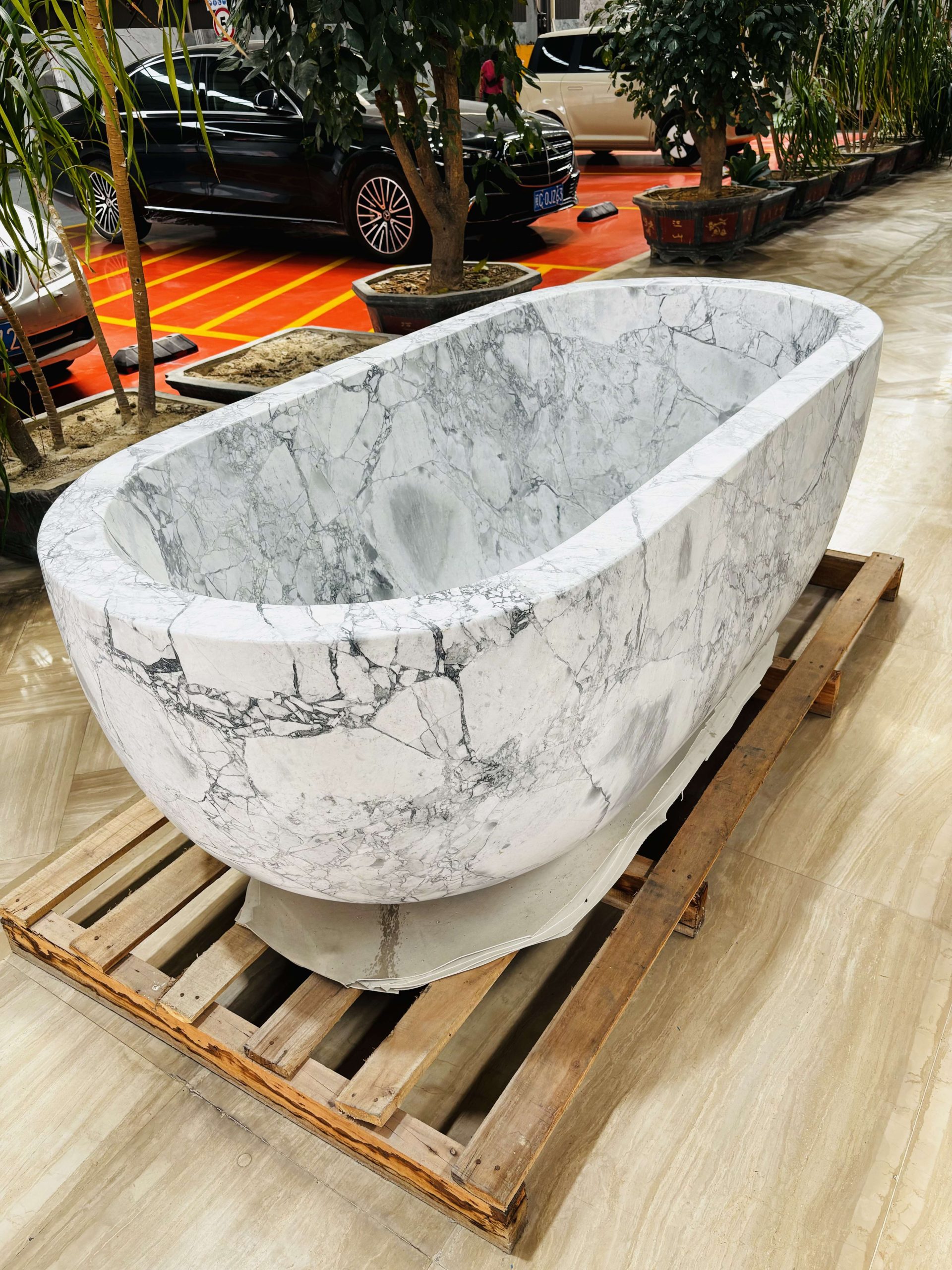
Materials Used for Stone Bathroom Tubs
Bathtubs are made from different kinds of natural stone, each with special attributes and look-forward value. Travertine, marble, granite, and sandstone rank as the four most often used materials. We shall look at the advantages and drawbacks of each below.
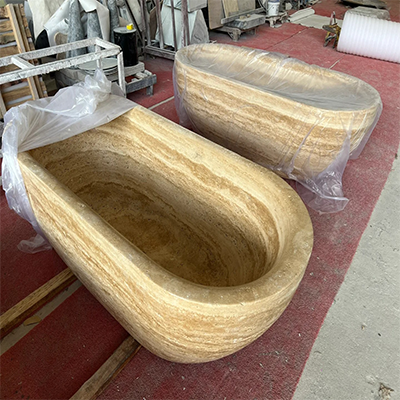
Travertine Bathtub
Found next to hot springs, travertine is a type of limestone distinguished by its porous surface and warm, earthy tones. Prized for its ageless appeal, it has been employed in architecture and art for millennia.
Pros:
Travertine is ideal for a spa-like bathroom since it naturally looks warm and inviting with gentle tones like beige, cream, and light brown.
Travertine’s excellent heat retention keeps your bathwater warmer for longer, therefore enhancing the calming effect.
Travertine’s organic, textured surface created by its inherent pits and pores gives the bathtub individuality and appeal.
Cons:
Travertine’s porous character increases its sensitivity to stains and water damage; hence, frequent sealing and maintenance help to maintain its best appearance.
Not as resilient: Travertine is a softer stone than granite or marble and may be more likely to chip or scratch.
Marble Bathtub
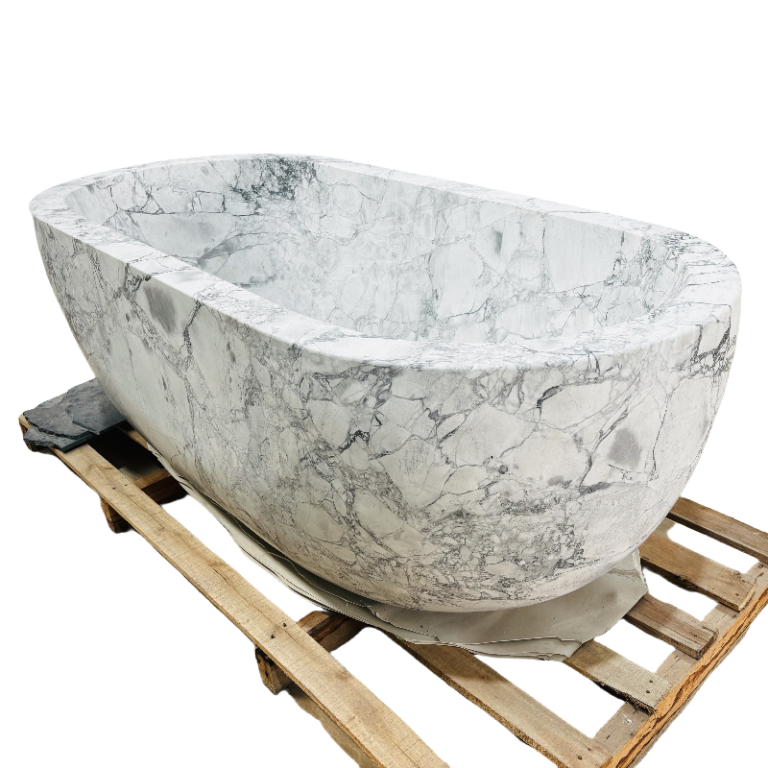
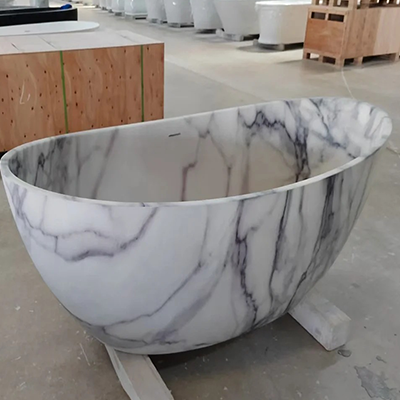
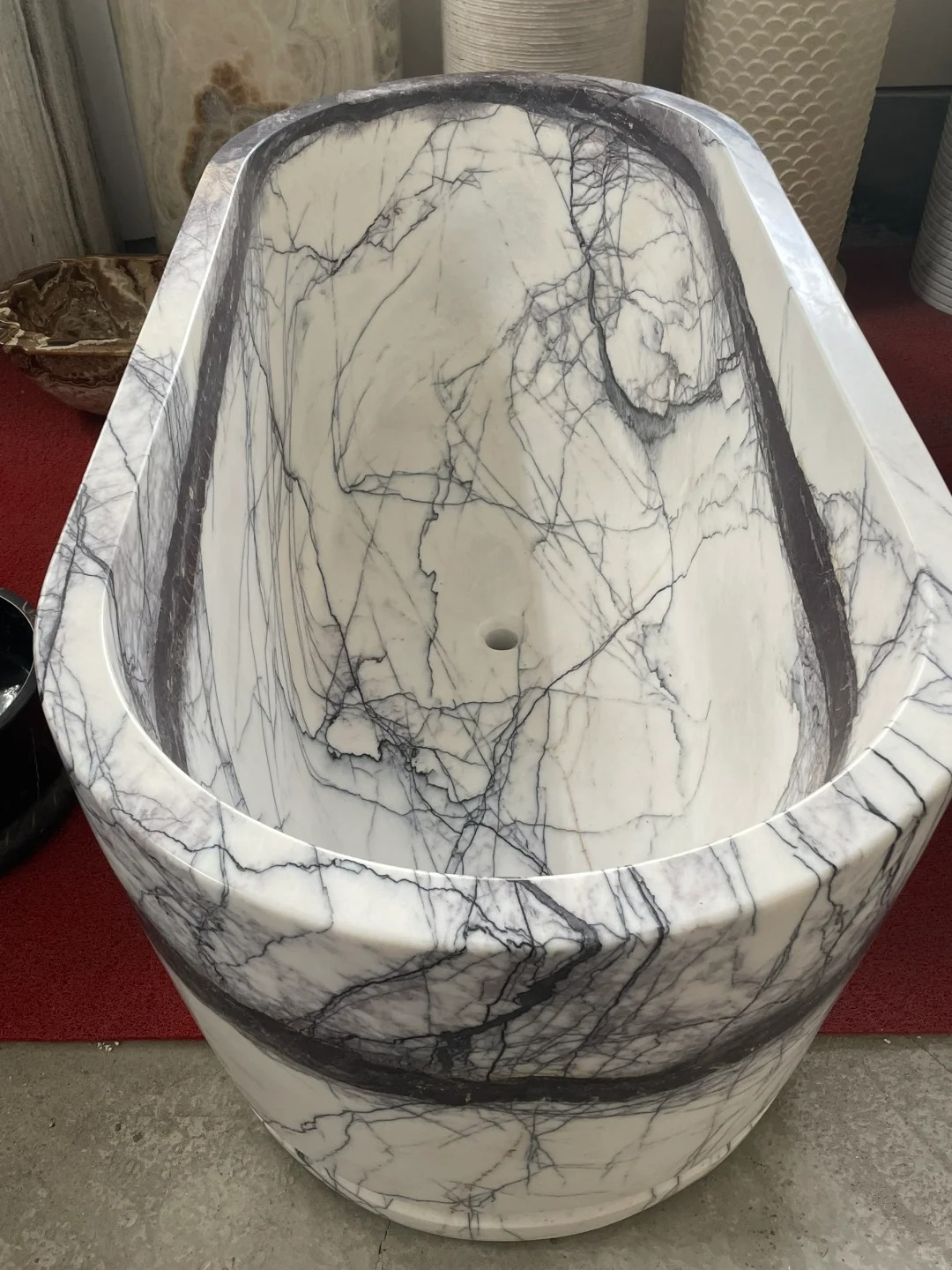
Among the most often used materials for luxury stone bathtubs is marble. Marble gives any bathroom grandeur and sophistication since it is well-known for its exquisite colour variations and dramatic veining.
Pros:
Marble’s smooth surface and dramatic veining patterns make it an amazing focal point in any bathroom since they provide a great spectrum of colours and styles.
Marble is a somewhat hard and durable material; hence, it is a long-lasting option for bathtubs able to resist daily use.
Marble, like travertine, keeps heat effectively, extending the lifetime of warmth in your bath.
Cons:
Marble is easily stained and etched, especially by acidic materials. Its perfect look depends on regular sealing and thorough cleaning.
Marble bathtubs are somewhat heavy; thus, reinforced floors and expert installation are absolutely necessary.
 |
 |
Granite Bathtub
Renowned for its strength and wear and tear resistance, granite is a quite solid and robust stone. With scattered patterns and colours ranging from black to red, green, and grey, it is also quite visually appealing.
Pros:
Granite is among the toughest natural stones; hence, it is quite resistant to damage in general, including scratches, chipping, and other kinds.
Granite is less porous than marble or travertine and more resistant to stains and moisture damage; hence, it requires less maintenance.
Granite is perfect for lengthy, leisurely baths since it holds heat really brilliantly.
Cons:
Granite bathtubs are considerably heavier than marble; hence, they are challenging to install without particular structural support.
Cost: These bathtubs could be more costly than other stone choices depending on their density and granite’s difficulty of dealing with.
Sandstone bathtubs
For bathrooms, sandstone—a sedimentary rock made of sand-sized mineral grains—offers a more natural, earthy look. Warm colours abound from light beige to reddish-brown.
Pros:
Sandstone’s inherently rough, uneven surface lends it a more organic, earthly feel than does polished marble or granite.
Natural colour pallet may provide a bathroom with warmth and tenderness, therefore enhancing its appealing and relaxing quality.
Like other natural stones, sandstone holds heat, thus it’s a wonderful option for long, warm baths.
Cons:
Sandstone is more prone to wear over time and scratches than granite or marble since it is a rather soft stone.
Sandstone’s porous character allows it to absorb liquids like water, so regular sealing and careful cleaning are very important.
Differences Between Natural Stone Bathtubs, Ceramic Bathtubs, and Artificial Stone Bathtubs
Natural stone, ceramic, and artificial stone (or solid surface) bathtubs differ from one another in several aspects when selecting a bathtub material.
Stone Bathtubs: Natural vs. Ceramic BathtubsMade from one block of stone, Natural Stone Bathtubs have an organic, distinctive look. They are renowned for their luxury appearance, heat retention, and durability. They are more expensive than ceramic alternatives, though, and also weighty and demand more upkeep.
Usually fashioned from porcelain or clay, ceramic bathtubs are glazed on top. They are inexpensive, light, and simple to clean. They do not hold heat as well as stone baths and are more likely to chip, though. Furthermore, lacking the visual appeal and originality of a real stone tub are porcelain bathtubs.
Artificial vs. Natural Stone BathtubsMade from a combination of stone dust, resin, and colour, artificial stone bathtubs—often known as solid surface or composite stone bathtubs—are Though they provide more consistency in colour and texture, these bathtubs resemble actual stone. Since they are non-porous, they usually weigh less and cost less than real stone bathtubs; also, they require less care.
But natural stone bathtubs have a more real, one-of-a-kind look since every piece of stone is different in colour, veining, and texture. For long soaks, natural stone is also perfect since it often has superior heat retention. Natural stone bathtubs are, on the down side, heavier, more difficult to maintain (including sealing), and usually more costly than synthetic stone choices.
 |
 |
 |
How Much Does a Bathtub Made of Stone Cost?
A natural stone bathtub’s cost will vary greatly depending on the type of stone, tub size, and degree of design sophistication. Generally speaking, a stone bathtub may run anywhere from $2,500 to $15,000 or more. Factors influencing the pricing are broken out here:
Marble and granite are typically more costly because of their durability and visual attractiveness; travertine and sandstone are often more reasonably priced.
Larger bathtubs increase the general cost by requiring more material and work to carve. Custom sizes may also cost extra.
Because natural stone bathtubs are generally handcrafted, the degree of design complexity and detail might affect the price. The cost will be raised by complex forms, curves, or new elements (like whirlpool systems).
Stone bathtubs’ weight means that installation often calls for reinforced flooring and professional installation—which might cost anywhere from $1,000 to $3,000 overall.
Custom-designed bathtubs with particular measurements, forms, or incorporated jets will cost more than regular models.
All things considered, a natural stone bathtub is the height of luxury since it provides a special fusion of comfort, durability, and visual appeal. Whether your preferred stone is marble, travertine, granite, or sandstone, each has benefits and drawbacks. Stone is a great investment for any luxury bathroom, even if it costs more than ceramic and synthetic stone bathtubs, because of its incomparable beauty and natural appeal.
FAQs
1. What is a natural stone bathtub, and what makes it different from standard tubs?
A natural stone bathtub is carved from real stone rather than formed from a thin shell or molded material. Because stone has natural veining and tonal variation, each bathtub looks unique and feels more like a design centerpiece than a standard fixture. Stone tubs are typically thicker and heavier, which gives a more solid, premium feel and often improves heat retention for longer soaking comfort.
2. Which stone is best for a stone bathtub: travertine, marble, granite, or sandstone?
Each stone suits a different style and priority. Travertine is popular for warm, earthy tones and a spa-like vibe, but it is more porous and benefits from consistent sealing. Marble is chosen for classic luxury and dramatic veining, but it can be more sensitive to staining and etching if maintenance is neglected. Granite is valued for toughness and strong resistance to wear, though it is very heavy and needs proper installation planning. Sandstone offers a natural, grounded appearance and warm color range, but it is generally softer and may show wear sooner in high-use environments.
3. Do natural stone bathtubs hold heat better, and why does that matter?
Many people choose stone because the material mass can absorb and release heat slowly. In real use, this can help bathwater stay warm longer than in some lightweight tubs, making the soak feel calmer and less rushed. Heat retention is one of the biggest reasons natural stone tubs are seen as an “experience upgrade” rather than just a functional bathroom item.
4. How do natural stone bathtubs compare with ceramic and artificial stone bathtubs?
Natural stone offers authentic veining, a premium tactile feel, and strong visual impact, but it typically requires sealing and careful cleaning habits. Ceramic tubs are often easier to maintain day-to-day and do not need sealing, but they can chip if impacted and may not feel as substantial. Artificial stone options usually provide consistent color, smoother maintenance, and non-porous performance, but they generally cannot replicate the natural depth and uniqueness of real stone patterns.
5. What affects the installation requirements of a natural stone bathtub?
Weight is the first factor: stone tubs are heavy and may require reinforced flooring and careful load planning. The tub size and shape also matter because complex designs can change how the bathtub must be supported and positioned. Plumbing alignment, drain placement, and safe handling during delivery and installation are also critical. In most cases, professional installation planning is recommended to ensure long-term stability and safety.


 Address: Floor 12, No. 10, Guanyinshan Operation Center, Siming District, Xiamen, Fujian, China
 Email:
  Phone:
  jack@hrststone.com