
The seductiveness of onyx table: elegance in stone
What is Onyx?
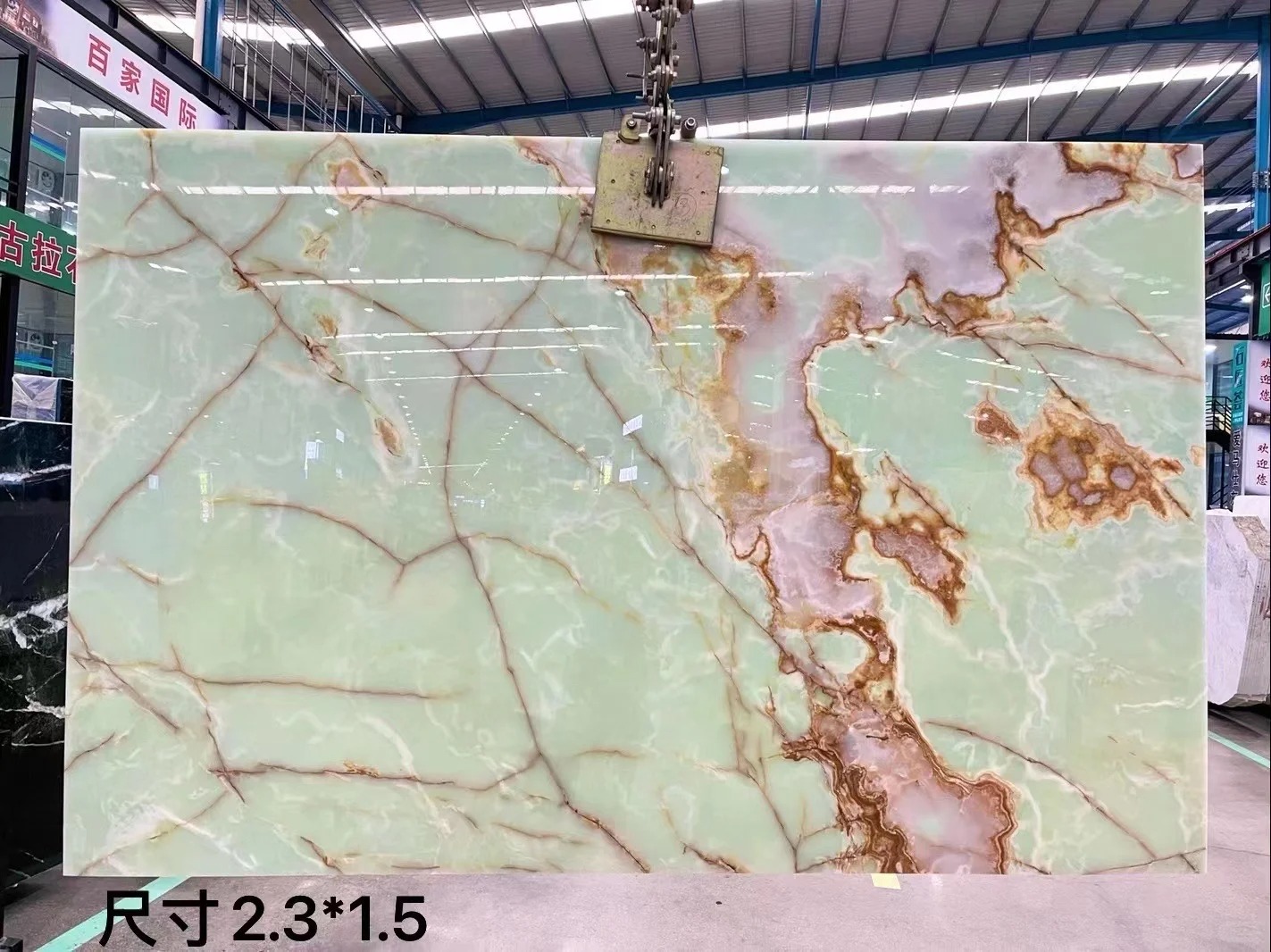
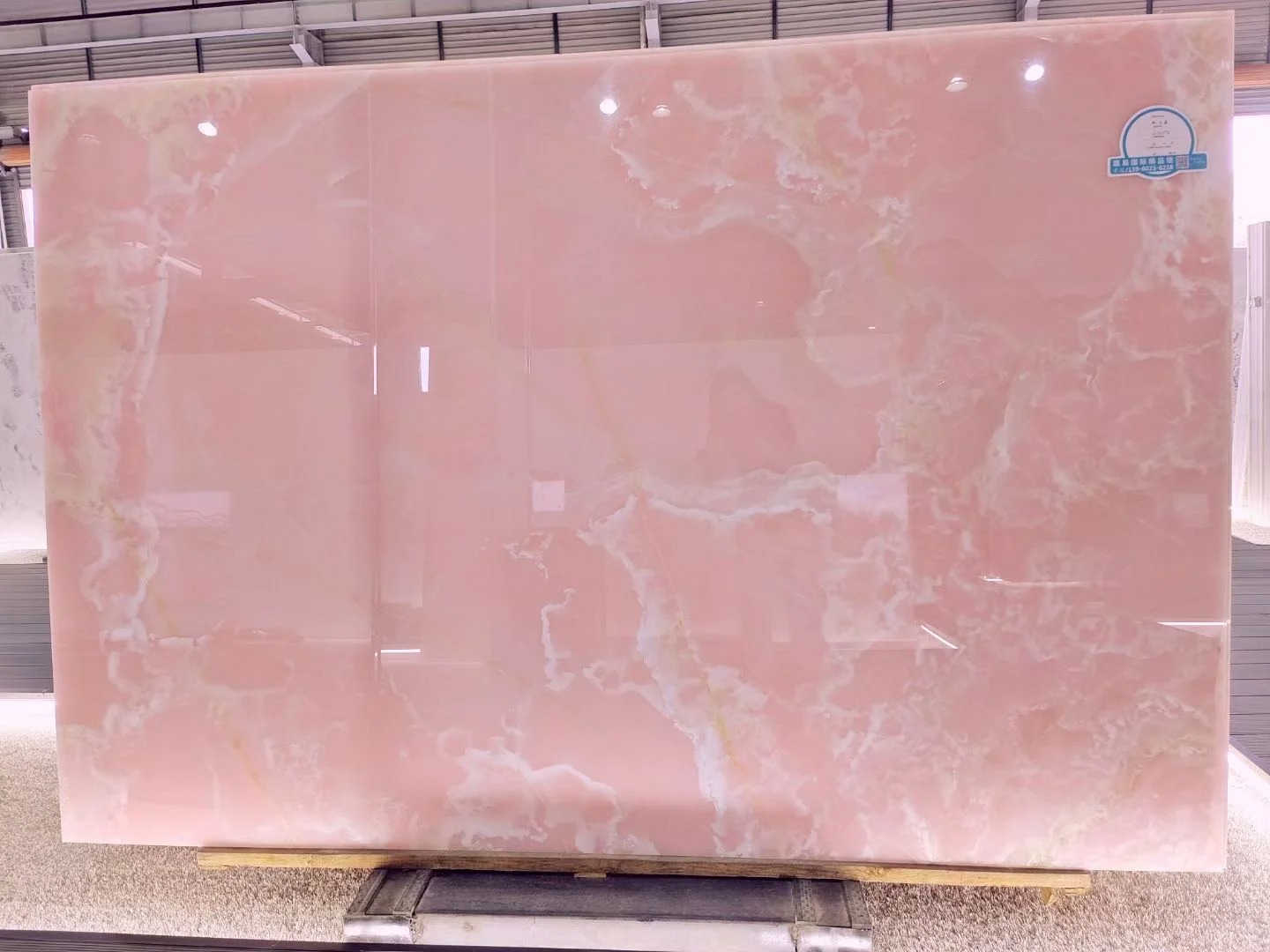
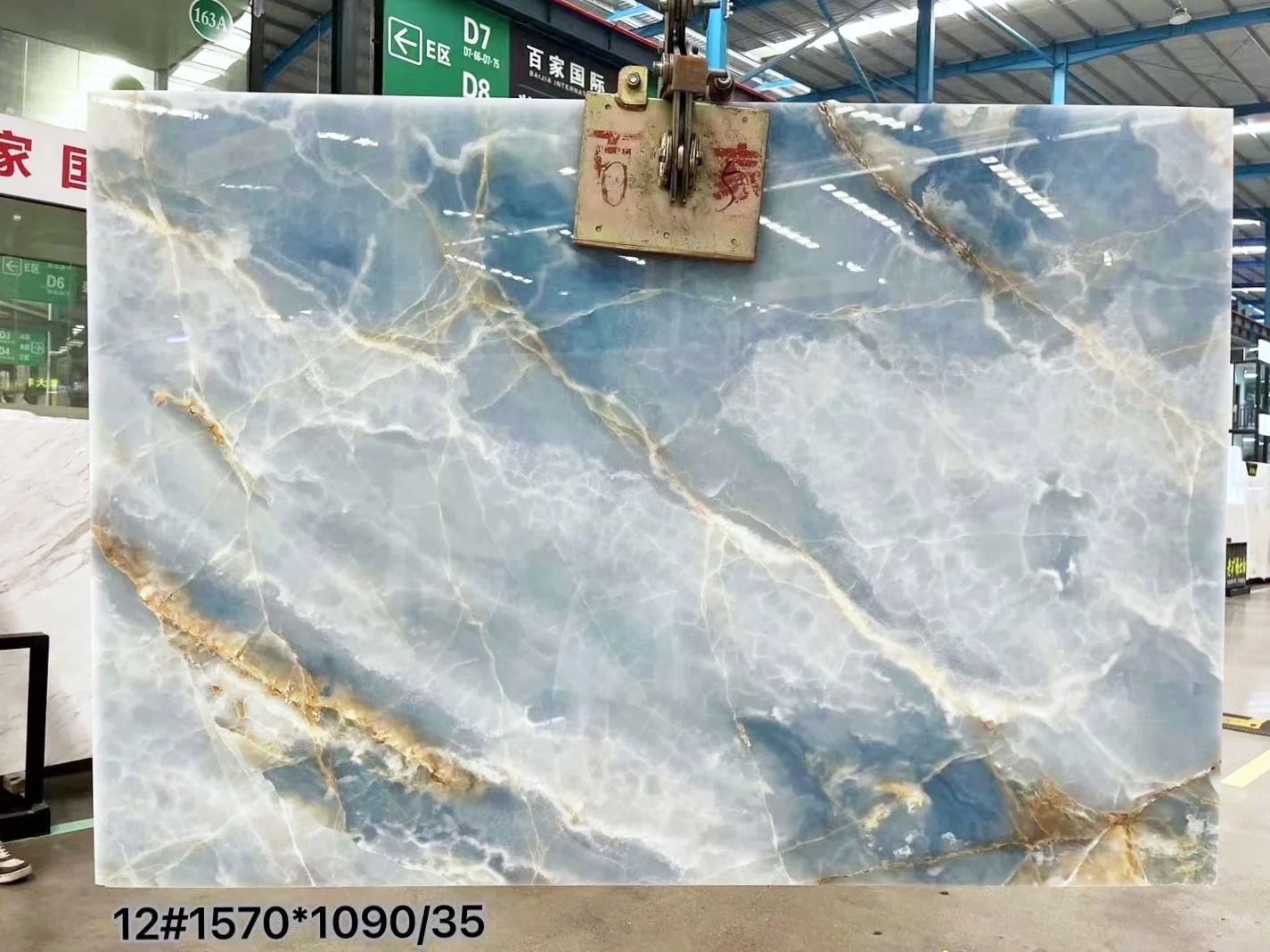
Onyx is a semi-precious stone, onyx is distinguished for its unusual qualities and great beauty. It’s a range of chalcedony, a sort of microcrystalline quartz. The parallel lines of colour that define onyx span white to practically every colour imaginable. Silica deposited in the gas chambers of lava forms these bands with an amazing layered look.
 |
 |
 |
Characteristics of Onyx:
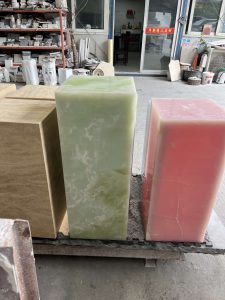
Onyx is prized for its vivid colours and complex patterns. Every piece is different with bands of opposing colours ranging from black and white to green, pink, blue, and more.
Transparency is one of the most intriguing aspects of onyx. Onyx that has been polished lets light pass through, producing a bright look that accentuates any piece’s depth and elegance.
Onyx is a beautiful choice for decorative goods since, when polished, it boasts a smooth, waxy lustre.
Although onyx is very soft when compared to other stones such as granite or quartz, it is nevertheless durable enough for many uses, particularly with correct maintenance.
Is Onyx Suitable for Making Tables?
Although its special qualities call for careful thought, onyx is quite appropriate for table building. Particularly in areas where aesthetics are first concern, the stone’s beauty and elegance make it a good fit for furniture. For high traffic or heavy use, its relative softness and sensitivity to etching and scratches imply it may not be best.
 |
 |
 |
Factors of Suability:
Because of their unusual, striking look, onyx tables are sometimes considered as statement items. They are ideal for defining a focal point in dining rooms, living rooms, or doorways.
Onyx needs constant maintenance to keep its looks good. This covers avoiding damage by using mild cleaning chemicals and protecting the stone to prevent stains.
Although onyx tables fit many environments, they are most suitable for areas where they are less likely to be subjected to severe wear and tear.
Onyx Table Benefits and Drawbacks
Main benefit of onyx tables is its unparalleled beauty. Natural translucency and vivid colours of the stone produce an elegant and refined appearance.
Every onyx table is different; none of two pieces look exactly the same. This uniqueness lends even more value and attraction to the table.
Particularly when combined with lighting design, onyx’s capacity to transfer light can provide amazing visual effects.
Fragility: Because onyx is softer than many other stones, it is more likely to chip, scratch, or shatter.
Maintenance: Onyx needs to be kept in great look by attentive treatment. This covers consistent sealing and avoiding acidic material exposure.
Cost: Onyx can be more costly than other materials in terms of the stone itself as well as the maintenance required because of its beauty and scarcity.
Types of Onyx Table
There are several kinds of onyx tables, each appropriate for different purposes and aesthetic taste. These are some typical forms:
Table for Onyx Coffee:
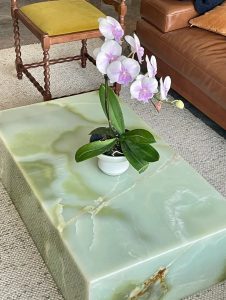
Usually used in living spaces, onyx coffee tables are the main focal point around which seating is set. Their great look can improve the whole décor, hence they are perfect for modern and opulent homes.
The onyx side table is:
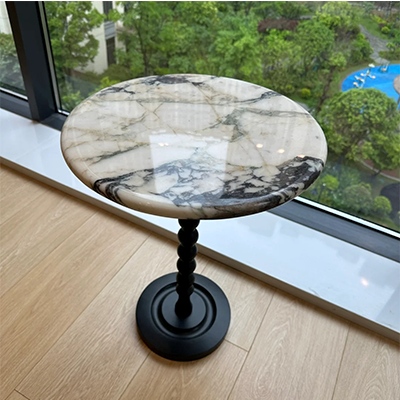
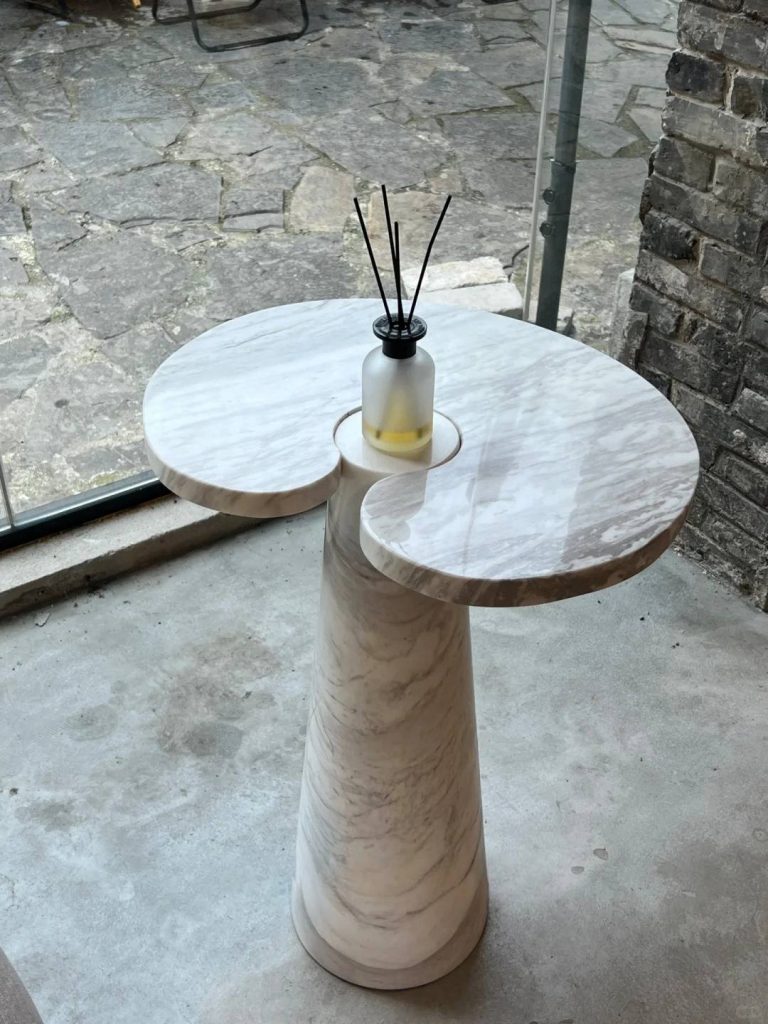
Small and usually used as decorative pieces between sofas, beds, or chairs, onyx side tables are They can store books, vases, or lamps and provide a little elegance.
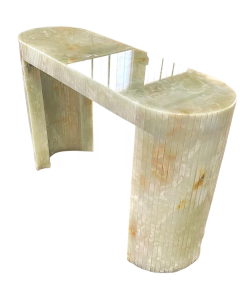
An onyx console table:
Usually found in entranceways, halls, or living rooms, these tables are set against a wall. Onyx console tables provide a stylish surface for showing artwork, plants, or other accent pieces.
Dining Table Onyx:
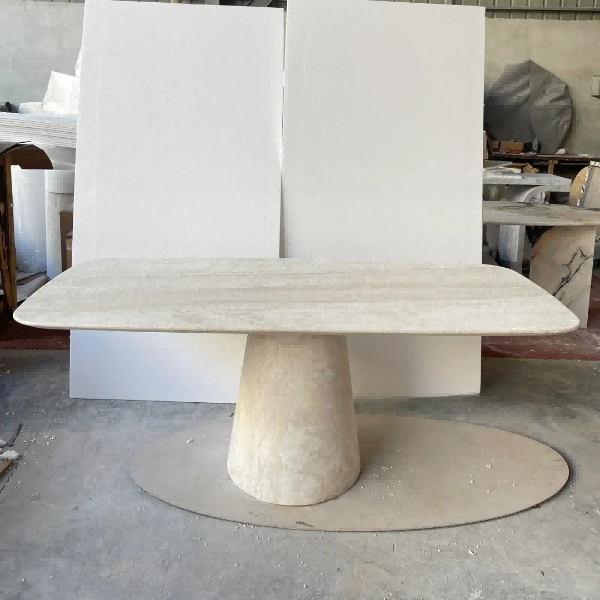
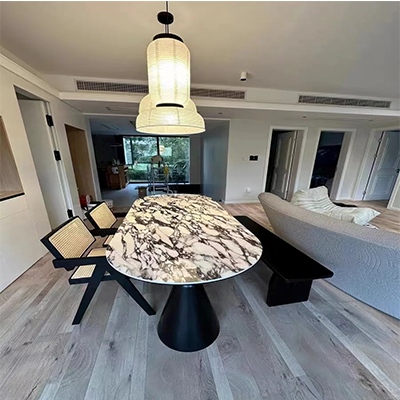
Grand and sophisticated, onyx dining tables generally take front stage in dining rooms. Their opulent look qualifies them for formal dining situations and upscale establishments.
There are several forms of onyx tables, each with unique visual and practical attraction.
Round Onyx Table:Usually used in dining or casual seating spaces, round tables are ideal for fostering intimacy. The circular form lets one have a balanced look and easy communication.
Square Onyx Table:Modern, symmetrical look comes from square tables. From side tables to bigger coffee tables, they are flexible and fit for many contexts.
Rectangular Onyx Table:Common dining and console tables are rectangular ones. Their lengthy form makes them practical as well as fashionable since it allows them to fit more objects or people.
Onyx tables in irregular shapes:For those looking for a really unusual piece, irregular-shaped onyx tables have a different and artistic appeal. Any room can have these tables serving as focal points and conversational starters.
A great accent to any area, onyx tables provide incomparable beauty and elegance. Although they need careful upkeep and thought, their distinctive qualities and beauty make them a valuable purchase. Onyx may add a little of richness and sophistication to your house whether your preferred coffee table, side table, console table, or dining table. Every style and taste can be matched by an onyx table with its several forms and colours.
FAQs
1. What is an onyx table, and what makes onyx different from marble?
An onyx table is a stone table that uses onyx as the tabletop (and sometimes as the base). Onyx is famous for its translucent character and dramatic banding, which can look more “glowing” and artistic than typical marble veining. Marble usually reads as elegant and classic, while onyx feels more like a statement piece with bolder visual movement. If you want a table that looks like functional art, onyx is often the material people choose.
2. Can an onyx table be backlit, and what should I know before choosing one?
Yes, many onyx slabs can be backlit because onyx often has translucent zones that allow light to pass through. The key is slab selection: translucency varies a lot, so not every onyx will glow evenly. Thickness and internal structure also affect the final lighting effect, and the support system matters to keep the tabletop stable. If backlighting is part of your plan, choose the slab specifically for translucency and aim for a design that distributes light consistently across the surface.
3. Where does an onyx table work best in home interior design?
Onyx tables usually look best in spaces where they can be a focal point without competing with too many patterns. Living rooms are popular for onyx coffee tables, while entryways or lounges suit onyx console tables that create an instant “wow” moment. In dining areas, an onyx top can look striking when the surrounding palette is calm and clean. Many designers place onyx in areas with controlled lighting so the stone’s layers and depth look richer throughout the day.
4. Is an onyx table durable enough for daily use?
Onyx can be used daily, but it performs best when treated as a premium stone surface rather than a rough-use tabletop. It is more likely to show scratches or surface marks if hard objects are dragged across it, and it benefits from careful habits like using coasters and wiping spills promptly. For busy homes, an onyx table is often chosen for lower-risk uses such as side tables or decorative coffee tables, while heavy dining routines may require stricter protection and consistent care.
5. How do I clean and maintain an onyx table without damaging the finish?
Use a soft cloth for daily wipe-downs and stick to mild, non-abrasive cleaning habits. Avoid harsh chemicals and abrasive pads, which can dull the finish or leave marks over time. Wipe spills quickly so residues do not sit on the surface, especially in areas that see drinks or cosmetics. Depending on the finish and how the table is used, sealing can help reduce absorption and make routine cleaning easier, keeping the stone’s colour and clarity looking crisp.


 Address: Floor 12, No. 10, Guanyinshan Operation Center, Siming District, Xiamen, Fujian, China
 Email:
  Phone:
  jack@hrststone.com