
Experts in Travertine Dining Room Table
____________
Good Travertine Dining Room Table
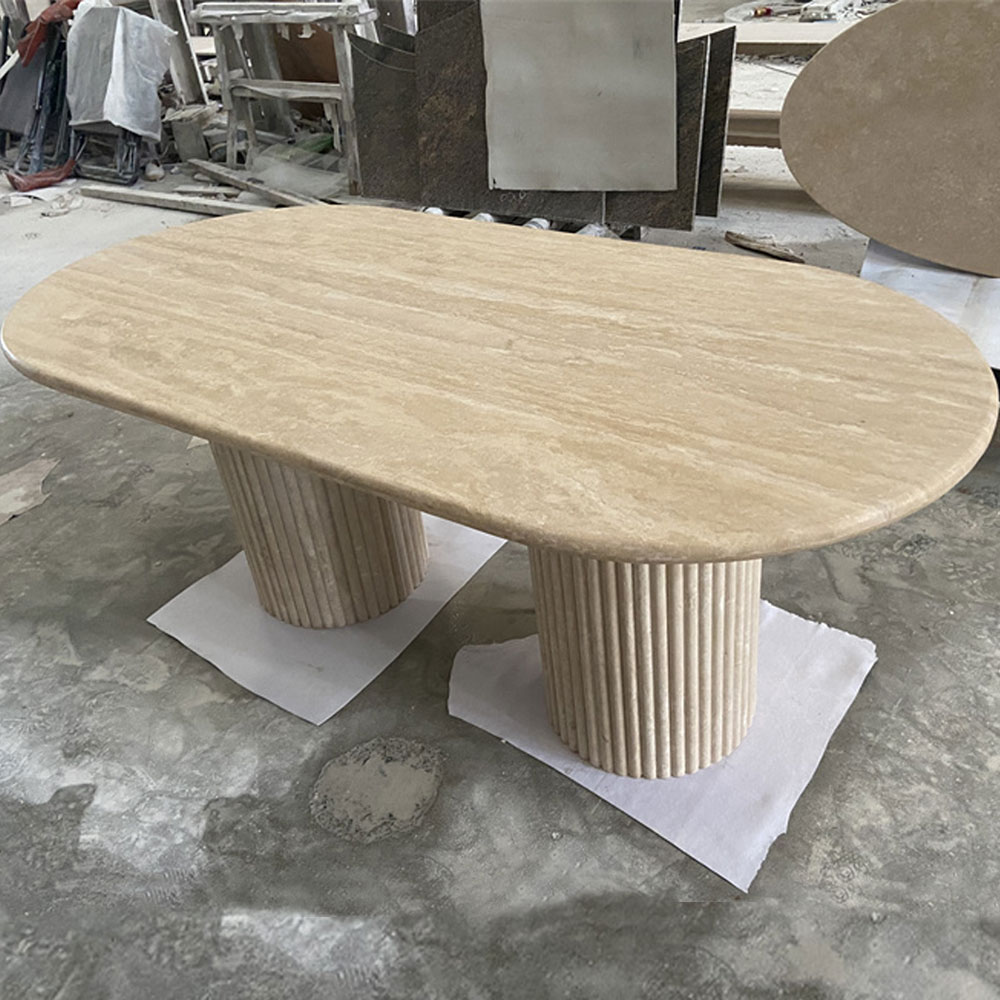
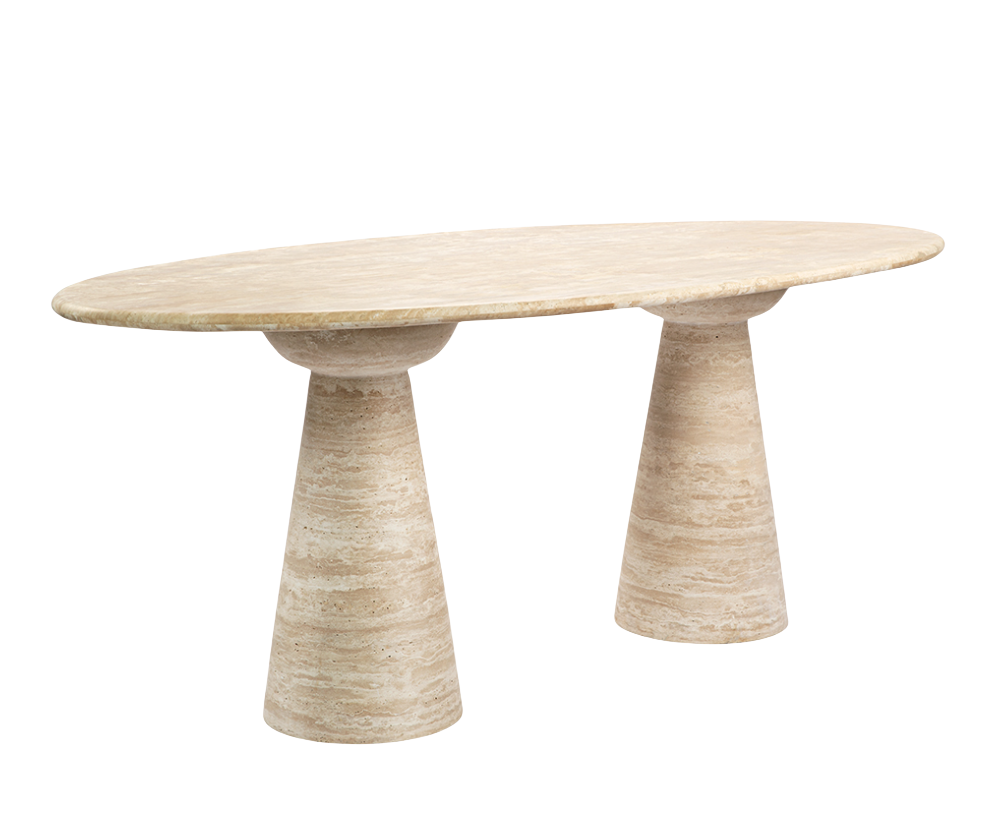
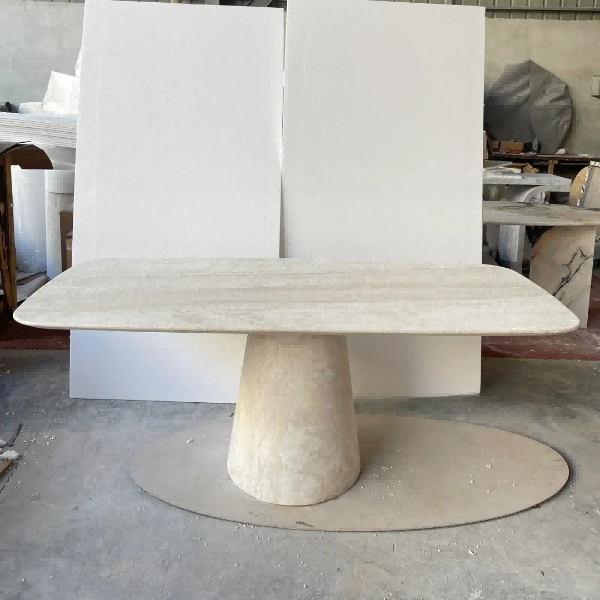
Any dining room would benefit from a travertine stone dining table as a beautiful accent and focal point.
Leading producers in China, HRST Stone specialises in custom-made travertine dining room table in any shape, size, and standard.
We may design any shape, round, oval, rectangle, square, or custom shape; we make handmade travertine dining tables to your exact requirements.
We find excellent travertine from all throughout the world, including Italy, in a range of breathtaking 100% natural stones. Among the most exquisite and distinctive travertine tones available today, our collection includes some of them below.
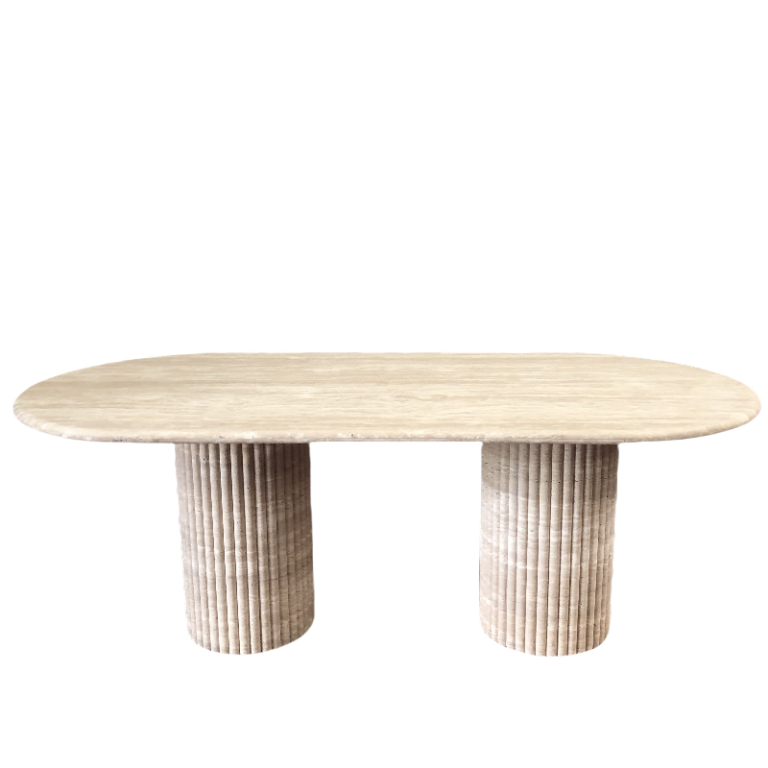
Above all, we can design the whole dining table composed of travertine or offer the tabletop just with legs manufactured from a variety of different materials, including metals, wood, other stones such as marble, and many more materials.
Whatever vision you have, let our knowledgeable staff—who have more than 25 years of experience—create a masterpiece for your house or business.
Excellent Travertine Tables
____________
Travertine dining room tables have certain advantages.
For a sophisticated table that will last a lifetime, a travertine dining table blends strength, durability, and longevity with beauty.
Travertine, being a 100% natural stone, comes in a range of gentle tones, usually neutral colours that accentuate the house really nicely, like cream, white, beige, and tan. Depending on the area and what is naturally accessible, travertine can also be found in different gentle pinks, greys, and others.
Because of its resilience and longevity, travertine is rather popular both indoors and outside. Wall and floor cladding, vanities, outdoor furniture, roads, patios, and even pool decks all find widespread application here.
Travertine is a great material for outdoor dining tables since it is UV radiation resistant, heat resistant, and does not fade colour. The travertine dining table will be treated with a stone sealant after it’s finished. Sealing the table will make it totally safe for outside use and shield it from moisture and rain.
Easy to maintain and clean are travertine dining tables. Cleaning calls for no particular specialist or costly products. Mild daily cleaning agents that are PH neutral work well; surfaces can be cleaned with soapy water.
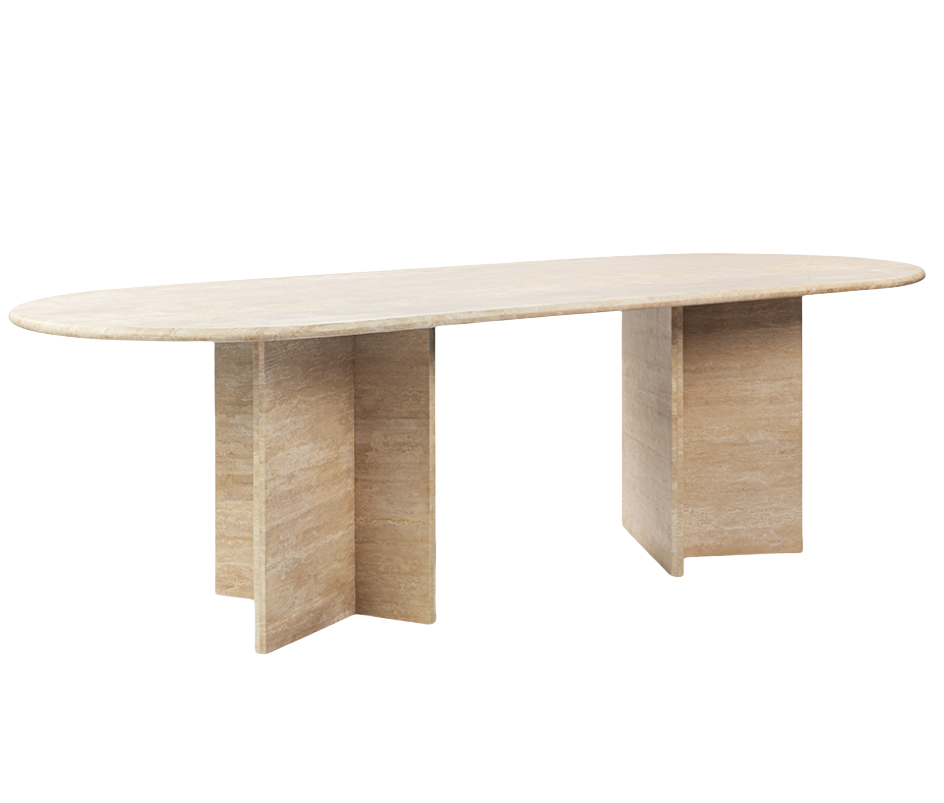
Travertine Stone Dining Table
____________
Advantages of Travertine Dining Room Table (Continued)
Travertine is a great choice if you search for a substance that will never change. Whether a classic or modern style, a travertine dining room table can fit any house décor as a natural stone with wonderful soft neutral tones and subdued patterns.
Although natural stone first seems costly, considering its lifetime and durability helps you to make more financial sense to choose a long-lasting material like travertine.
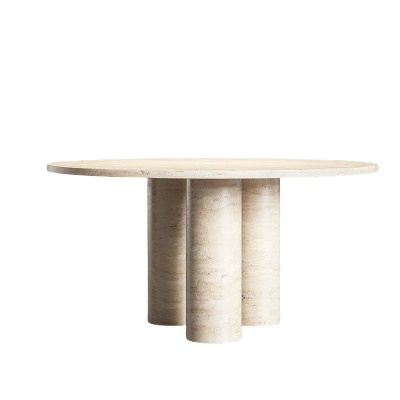
Usually less expensive than marble dining tables and perhaps even more reasonably priced than granite dining tables, travertine dining room table are Working with HRST Stone will always provide you the finest rates since we provide direct to the public rates.
Other items in your house might be matched visually with travertine. For a coordinated kitchen design, complement your travertine table with a travertine coffee table, side table, or kitchen worktops.
Usually we have travertine offcuts in stock; hence, for smaller projects you finish your project for far less. Ask us about the current discounts that are available.
Why Does Travertine Stain?
Like other natural stones, travertine is a porous material. The tiny fissures and holes in the stone can absorb liquids, which could cause stains should the surface not be sufficiently covered. Here are a few typical reasons travertine dining room table stain:
Acidic Substances: Foods and beverages such as wine, coffee, citrus juices, vinegar, and tomato sauce have acids that, if left to remain for too long, could etch and discolour the stone.
Oils and Grease: Cooking oils, butter, and other fatty materials spilt could seep into the stone and leave dark stains.
Pigmented Foods: Strongly coloured meals such as berries, curries, or red wine can stain if not quickly cleaned off.
Rings Water: Over time, even water can cause staining—especially if it contains minerals that create deposits on the surface of the stone.
Although travertine is inherently porous, there are numerous good ways to prevent staining of your dining table:
Sealing the Surface: Sealing a travertine dining room table will help to shield it from stains most successfully. A premium sealer fills the pores of the stone to provide a protective layer that prevents stains and rejects liquids. Depending on usage and the kind of sealant used, it is important to reapply the sealant on a regular basis.
Use of Placemats and Coasters: Placemats, coasters, and trivets under plates, glasses, and hot pots help to prevent spills and scratches. This small habit will help to greatly lower the etching and staining risk.
Immediate Cleaning of Spills: Any spills should be promptly cleaned with a soft cloth or sponge. Steer clear of abrasive or aggressive cleaners that can compromise the stone itself or the sealant. Standard cleaning calls for a mild, pH-neutral stone cleaner.
 |
 |
 |
If your travertine dining room table does get stained, don’t panic. Many stains can be removed with the right techniques:
Oil-Based Stains: For those from butter or frying oil, a poultice created from baking soda and water can assist in stain removal. Over the stain, spread the poultice; cover it with plastic wrap and let it sit for 24 hours. Remove the poultice, then water the area.
Acidic Stains: Acidic stains from citrus or vinegar can erode the surface of the stone to produce dull areas. Using a marble polishing powder meant for travertine, follow manufacturer directions to restore the surface.
Organic Stains: Combining hydrogen peroxide with a few drops of ammonia will help stains brought on by food, coffee, or tea. Since this will lighten the stone, first test this solution on a discreet section.
FAQs
1. What is a travertine dining room table, and what makes travertine different from marble?
A travertine dining room table uses natural travertine stone for the tabletop (and sometimes the base). Travertine typically has a warmer, earthier look than many marbles, with soft cloud-like movement, natural pores, and a more organic texture. Marble often features sharper veining and a more “glossy luxury” personality, while travertine tends to feel calm, grounded, and architectural. If you want a dining table that looks refined but not flashy, travertine is often chosen for its natural warmth and timeless presence.
2. Is a travertine dining table durable enough for everyday family meals?
Yes, it can be very practical for daily use when it’s properly finished and maintained. Travertine is a natural stone, so it’s strong, but it is also porous, which means it benefits from sealing to reduce absorption from spills. For everyday meals, the key is using gentle habits: wipe liquids promptly, avoid harsh cleaners, and use placemats for extra protection during high-use moments. With those basics, a travertine dining table can stay beautiful and functional for years.
3. What finishes are common for travertine tabletops, and how do I choose the right one?
Two common finishes are honed and polished. Honed travertine has a matte, soft look that feels modern and natural, and it can be more forgiving with minor smudges or light marks. Polished travertine looks glossier and can highlight color variation, but it may show fingerprints and water marks more easily. If your dining area is high-traffic and you prefer a relaxed, understated vibe, honed is a popular choice. If you want a more dramatic, reflective surface, polished can deliver that “statement table” feel.
4. How do I clean and maintain a travertine dining room table without damaging it?
Daily cleaning should be simple: a soft cloth and warm water are usually enough, and a mild, pH-neutral cleaner is a safe option when deeper cleaning is needed. Avoid acidic cleaners or strong chemicals because they can dull the surface or cause marks over time. Keeping the table sealed helps reduce staining and makes wiping easier. Practical habits matter too: use coasters for drinks, place hot cookware on trivets, and wipe spills quickly to protect the stone’s natural surface.
5. What interior styles pair best with a travertine dining table, and what chairs look good with it?
Travertine works especially well in modern minimal, Mediterranean, Scandinavian, and “quiet luxury” interiors because its color feels natural and calming. It looks great with wood chairs for warmth and balance, especially in oak, walnut, or ash tones. For a cleaner modern look, pair it with upholstered chairs in neutral fabrics that soften the stone and make dining more comfortable. If you want a bolder contrast, darker chairs or black metal accents can sharpen the overall look while keeping the travertine as the room’s centerpiece.


 Address: Floor 12, No. 10, Guanyinshan Operation Center, Siming District, Xiamen, Fujian, China
 Email:
  Phone:
  jack@hrststone.com